The Essential Guide to Grooming a Long-Haired Cat
Long-haired cats possess a striking elegance, but their luxurious coats require consistent attention to remain healthy and comfortable. Without a regular grooming routine, their fur can become matted, leading to skin irritation and discomfort. Grooming is not just about aesthetics; it is a fundamental aspect of feline wellness. This guide outlines essential practices for maintaining a long-haired cat’s coat, from selecting appropriate tools to establishing a manageable care schedule.
Every cat is unique, and grooming needs can vary based on coat density, lifestyle, and individual temperament. The information presented here offers a general framework that cat owners can adapt to their specific situation. By understanding the principles behind each grooming step, you can create a routine that benefits both you and your feline companion. This article aims to provide a comprehensive overview of grooming techniques, emphasizing the importance of a calm and patient approach.
Understanding Your Long-Haired Cat’s Coat
Long-haired breeds, such as Persians, Maine Coons, and Ragdolls, have a double coat consisting of a soft undercoat and a longer outer coat. The undercoat is dense and prone to shedding, while the outer coat is more protective. This combination means that tangles and mats can form quickly, especially in areas with friction, such as the armpits, belly, and behind the ears. Regular brushing helps remove loose hair and prevent mats from developing.
The texture of the coat can vary among cats; some have fine, silky fur, while others have thicker, coarser hair. Understanding your cat’s coat type is important because it influences the choice of grooming tools and the frequency of brushing. For instance, a silky coat may require a different brush than a thick, woolly one. Observing your cat’s grooming habits and coat condition can guide you in tailoring your approach.
Choosing the Right Brushing Tools
Selecting appropriate brushes and combs is crucial for effective grooming. A slicker brush, which has fine, short wires, is excellent for removing loose fur and tangles from the outer coat. A wide-tooth comb is helpful for detangling and working through mats without pulling the skin. For the undercoat, a shedding tool or an undercoat rake can be used, particularly during seasonal shedding periods. These tools reach the denser layers and reduce the amount of hair your cat ingests during self-grooming.
It is advisable to have a variety of tools on hand to address different areas and coat conditions. For sensitive areas, a softer brush may be preferable, while a sturdy comb can tackle stubborn tangles. When introducing a new tool, allow your cat to sniff it and become familiar with it. Start with short grooming sessions, gradually increasing the length as your cat becomes comfortable. Remember that the goal is to keep the coat healthy, not to force a perfect appearance.
Establishing a Brushing Routine
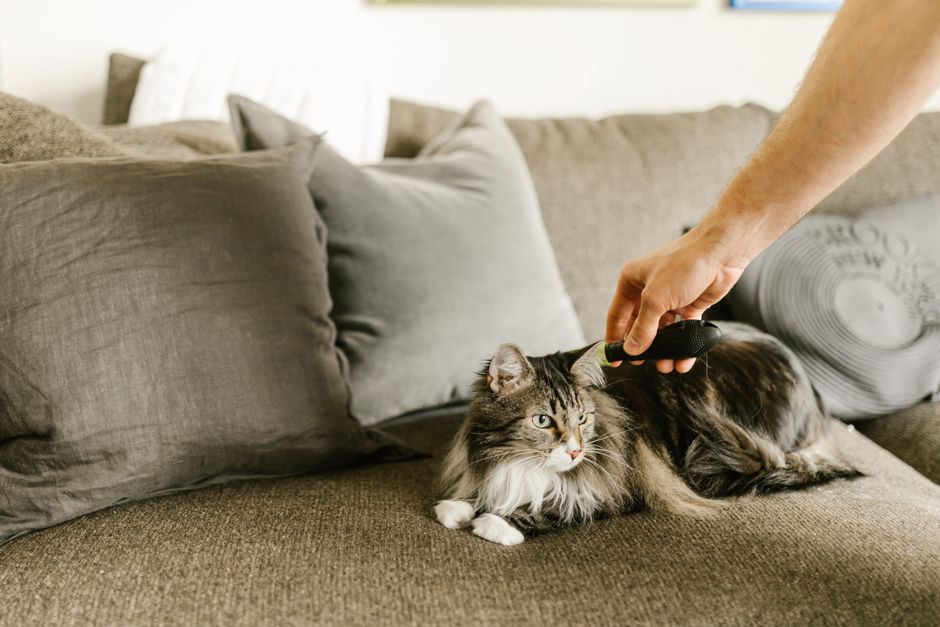
Regular brushing is the foundation of long-haired cat care. Ideally, brushing should occur daily, but at minimum, several times a week. A consistent routine helps distribute natural oils, stimulates the skin, and reduces the risk of hairballs. When brushing, work in sections, starting from the head and moving toward the tail. Use gentle strokes, and pay extra attention to areas where mats are prone to form.
If you encounter a mat, do not pull or tug at it forcefully, as this can cause pain and skin damage. Instead, use a detangling spray or a little cornstarch to help loosen the mat. Gently work through it with your fingers or a wide-tooth comb, starting at the outer edges and working inward. For severe mats, it may be necessary to clip them out, but this should be done by a professional groomer or veterinarian to ensure safety. Maintaining a regular brushing schedule is the most effective way to prevent mats from becoming a problem.
Bathing Considerations for Long-Haired Cats
Bathing a long-haired cat is not always necessary, but it can be beneficial in certain situations, such as when the coat is oily, dirty, or after an encounter with a substance that is difficult to remove. If you decide to bathe your cat, it is important to do so with care. Use a cat-specific shampoo that is gentle on the skin, never a human product. The water should be lukewarm, and the bathing area should be non-slip, such as a rubber mat in a sink or tub.
Before bathing, thoroughly brush your cat to remove any tangles or mats. Mats become tighter and more uncomfortable when wet, so it is essential to address them beforehand. Speak to your cat in a soothing voice throughout the process to minimize stress. Gently wet the coat, avoiding the ears and eyes, then apply shampoo and massage it in. Rinse thoroughly to ensure no residue remains, as leftover shampoo can irritate the skin. After bathing, wrap your cat in a warm towel and blot gently, then allow air drying in a warm room. Some cats may tolerate a hairdryer on a low, quiet setting, but most prefer to air dry. It is important to ensure the coat is fully dry to prevent skin issues.
Nail Care: A Key Component
Trimming your cat’s nails is an integral part of grooming, even for long-haired cats. Overgrown nails can become ingrown, curl, or cause discomfort when walking. Regular nail trims also protect your furniture and prevent accidental scratches. To trim nails, use a pair of cat-specific nail clippers, either guillotine-style or scissors-style. You will need to be able to see the quick, the pink area inside the nail that contains blood vessels and nerves. For cats with light-colored nails, the quick is visible; for dark nails, trim only the pointed tip, taking small amounts off at a time.
If you are unsure how to trim safely, a veterinarian or professional groomer can demonstrate. It is also helpful to have a styptic powder or cornstarch on hand in case you accidentally cut the quick, which will stop bleeding. Nail trimming should be a calm experience; offer treats and praise to create a positive association. Doing this regularly, perhaps every few weeks, keeps nails at a healthy length. Remember that some cats may be more resistant than others, so patience and gradual introduction are key.
Addressing Common Grooming Challenges
Even with a consistent routine, you may encounter grooming challenges. Cats can develop mats despite regular brushing, especially in areas where they resist grooming. Some cats may become anxious during grooming, making the process stressful for both the cat and the owner. In such cases, it is essential to recognize the signs of stress, such as flattened ears, tail flicking, or hissing, and to stop if necessary. Taking breaks and using positive reinforcement can help build trust over time.
Another challenge is dealing with excessive shedding. During seasonal changes, shedding may increase, requiring more frequent brushing. Using an undercoat rake can be particularly helpful in these periods. Additionally, a healthy diet and adequate hydration contribute to coat condition, so consider discussing nutrition with your veterinarian. If you notice any skin issues, such as redness, flaking, or bald spots, consult a professional for advice. Grooming is not only about maintenance but also about monitoring your cat’s overall health.
Grooming is a shared experience that enhances the bond between you and your cat. It is a time to observe, connect, and ensure your companion’s well-being.
By incorporating regular grooming into your cat care routine, you are taking a proactive step toward their comfort and health. Each grooming session provides an opportunity to check for any abnormalities, such as lumps, parasites, or skin irritations. Early detection of potential issues allows for timely veterinary consultation. Remember that grooming is a skill that improves with practice, and your cat’s temperament will guide the pace and approach. Ultimately, a well-groomed long-haired cat is not only more comfortable but also better able to engage in normal activities without discomfort.